




Start the School Year Scam-Smart
08/27/2026
By: Madi Reynolds
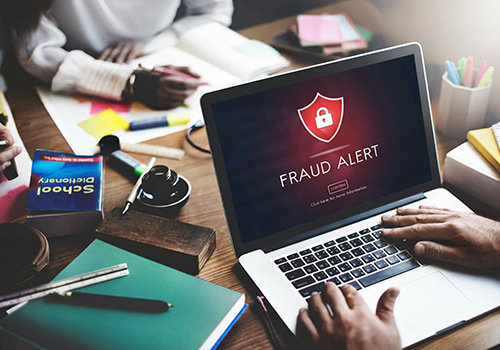
As students head back to school, scammers are heading back to work, too.
From apartment hunting and buying textbooks to applying for jobs and managing student loans, college students are often handling new financial responsibilities on their own. That can create opportunities for scammers.
Jeff Quinton, Information Security Officer at First Federal Bank, says there are several scams students and families should be watching for as the school year begins.
Back-to-School Scams on the Rise
One area seeing increased scam activity is fake listings for products and services students commonly need. Scammers may advertise apartments, textbooks, school supplies, or other items at attractive prices, hoping students will send money or provide personal information before realizing the listing isn't legitimate.
Student loan scams are another concern. Students and recent graduates may receive unsolicited texts, emails, or calls offering student loan refinancing, debt relief, or other assistance.
Employment scams can also target students looking for part-time jobs or ways to earn extra money. Jeff warns that the goal isn't always to immediately steal money. A fake application or job posting can be used to collect personal information from a resume, such as where someone lives, their employment history, and other details that could be useful to a scammer.
Watch for the Warning Signs
Although scams can look different, Jeff says many share similar red flags.
Be cautious when someone pressures you to act immediately, asks you to send money to someone you don't know, changes payment instructions at the last minute, or asks you to move a conversation to a different messaging platform. Unexpected links, attachments, pop-ups, and requests for remote access to your phone or computer should also raise concerns.
For example, a student might find someone selling used textbooks online and agree on a price. At the last minute, the seller says their payment account isn't working and asks the student to send the money to a friend's account instead. That sudden change is a reason to stop and verify before completing the transaction.
Jeff's Biggest Advice: Slow Down
If students and families remember one thing, Jeff says it's simple: slow down.
Scammers often create urgency because they don't want you to have time to question what you're being asked to do. Before sending money, sharing personal information, or clicking a link, take a moment to think about the situation and verify who you're dealing with.
If something doesn't feel right, trust that instinct.
When possible, use phone numbers and websites you already know are legitimate rather than contact information provided in an unexpected message. And if you didn't initiate a request for technical support, don't give someone remote access to your device.
What to Do If You've Been Scammed
If you believe a scam involves your bank account or money, Jeff recommends contacting your bank immediately. Acting quickly can help secure your account and determine what steps should be taken next.
Internet-related fraud can also be reported to the FBI's Internet Crime Complaint Center (IC3), and your local police department can help document what happened.
Heading back to school comes with plenty to think about. Don't let a scammer's sense of urgency rush you into a decision.
Slow down, verify who you're dealing with, and remember: if something seems too good to be true, it probably is.
Think you have been victim to a scam: